Glutathione Dosage Per Day Glutathione: Uses, Dosage, Side Effects
Glutathione: Uses, Dosage, Side Effects (A Cautious Consumer Review for Women)
Introduction
If you’ve searched “glutathione uses dosage side effects,” you’re probably not alone. Glutathione gets attention because it sits at the intersection of wellness and beauty: it’s an antioxidant the body makes, and supplement versions are marketed for things like skin “glow,” oxidative-stress support, and recovery. For many 18–24 women, the appeal is practical—there’s a desire for something that fits alongside skincare, sleep, and training without requiring prescriptions.
The catch is that supplement marketing often compresses complex biology into easy promises. Glutathione can be helpful for some people, but it’s not a guaranteed fix, and it’s not the same as an established medical treatment. This article reads like a cautious consumer review: it covers what glutathione is, the dosage ranges you’ll commonly see, realistic time frames, and the side effects that can show up when you start. We’ll also include both a positive-ish personal experience case and a negative case, so you can plan for the outcome you may actually get—not just the best-case story.
What Glutathione Is and Who It Might Fit Best
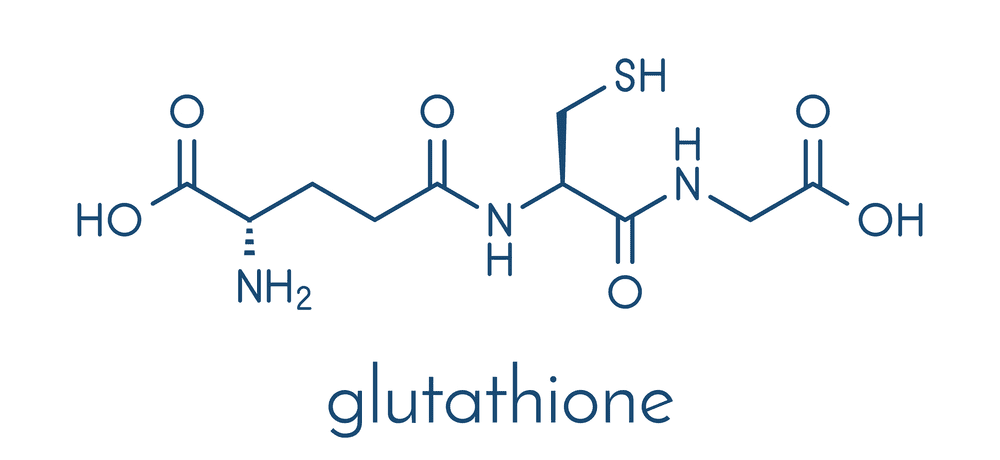
Glutathione is a small molecule antioxidant made in cells. It helps manage oxidative stress and supports multiple biochemical pathways. In supplement form, you’ll commonly see:
- Glutathione itself (often listed as “reduced glutathione” in capsules or liquids)
- Precursors like N-acetylcysteine (NAC), which some people use to support the body’s own glutathione production
- Adjuncts marketed to “boost stability” or “enhance absorption,” which may include vitamin C or other antioxidants
Who might fit best? If you’re an 18–24 woman who is already doing the basics (sleep, sun protection, consistent skincare, and a diet with adequate protein), glutathione may be a “nice-to-try” add-on—especially if your goals are general antioxidant support or a skincare routine that you want to complement. It can also appeal if you’ve been curious about oxidative stress from lifestyle factors (high stress, frequent workouts, long work/study days).
Where it may be a poor fit: if you’re expecting immediate, dramatic changes; if you’re pregnant or nursing and looking for convenience over clinician guidance; if you have a history of asthma or strong medication sensitivity; or if you’re using it to replace proven skin care fundamentals. Glutathione is a supplement—your expectations should stay supplement-level, not “treatment-level.”
Practical Benefits and Where It Falls Short
In real-world supplement use, the most common “practical benefits” people point to are subtle: improved antioxidant markers (in some studies), possible effects on skin appearance for some users, and a “feels more supported” sensation. But there’s a wide gap between “supported in theory” and “noticeable, consistent results for everyone.”
Personal experience case (one user, real-life-style):
I tried oral glutathione (reduced glutathione) while keeping my skincare routine stable—same cleanser, moisturizer, and sunscreen. I used it at the label’s suggested daily dose for about 3 weeks. What I noticed wasn’t a sudden “glow” event; it was more like my skin looked slightly more even on days when I slept better. I also didn’t feel dramatically different energy-wise, but my “I’m overwhelmed” feeling after long study days seemed a bit less intense. I stopped after that point because I didn’t see a clear enough return to justify continuing, and I was cautious about stacking too many new supplements at once.
Negative case (where it didn’t work out):
One friend I know tried a different glutathione product (also oral, higher marketing claims). After about 10 days, she developed stomach discomfort—bloating and nausea—especially when she took it without food. She also felt slightly headachy and decided to quit rather than “push through.” This isn’t proof that glutathione always causes these effects, but it’s a realistic failure mode: if you’re sensitive, you might need to reduce the dose, switch forms, or stop entirely.
Bottom line: glutathione may be reasonable to try if you have modest expectations and you can track your response. It falls short when people expect guaranteed brightening, rapid results, or benefits that override sleep and sunscreen.
What Research Suggests and What It Doesn't
Evidence for glutathione is mixed and depends heavily on the form studied, the outcome measured, and the population. Research often supports the idea that antioxidant pathways—including glutathione-related systems—can matter for oxidative stress. For supplementation, some studies suggest potential benefits for certain markers and specific conditions, but translation to everyday “skin brightening” or “detox” style claims is not straightforward.
Here’s the most useful way to think about it: glutathione is biologically plausible as an antioxidant, but supplement outcomes can be modest, variable, and strongly influenced by dose, consistency, baseline diet, and what else you’re doing (like sun exposure and overall skincare).
What research does not cleanly prove:
- That oral glutathione produces identical results for every person
- That it reliably causes major, fast cosmetic changes
- That it is risk-free for all users, particularly those with medical conditions or medication interactions
- That “detox” marketing statements mean a specific, measurable health outcome
Risks matter: even if a supplement is “natural,” it can still cause side effects or conflict with your health situation. Treat glutathione like a real supplement you trial carefully—not a cosmetic hack.
Ingredients, Formats, and Quality Signals
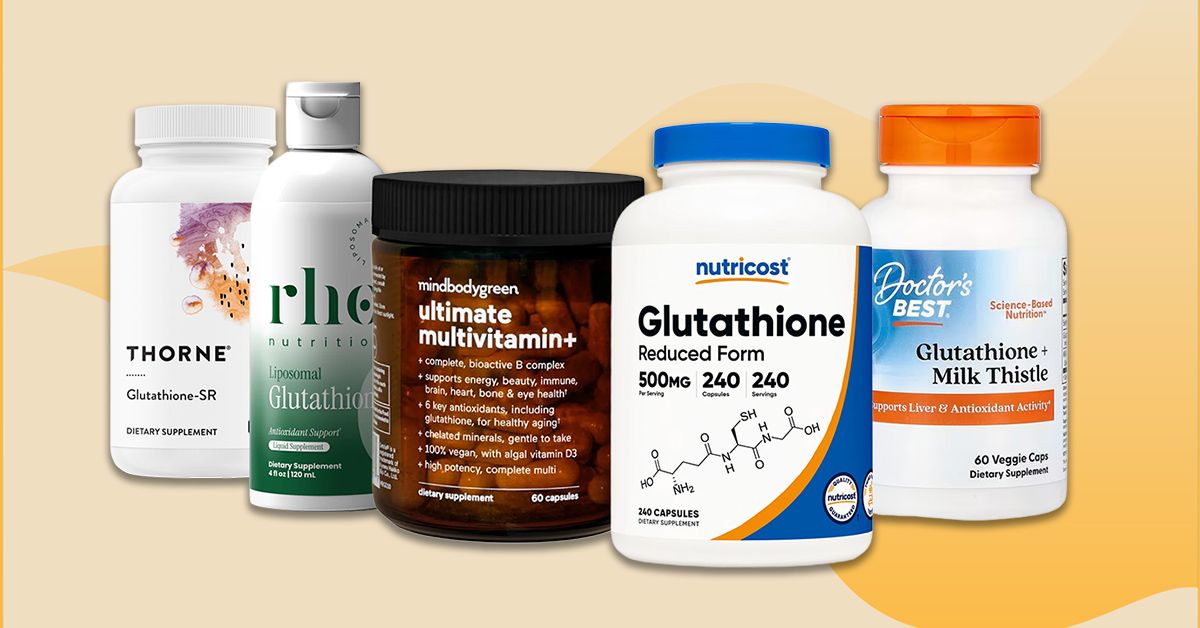
When you’re comparing options, pay attention to what’s actually in the product and how it’s presented. For glutathione, common forms include:
- Reduced glutathione: the ingredient is glutathione itself (often used with antioxidant-focused claims)
- N-acetylcysteine (NAC) products: precursors that may support your body’s glutathione production
- Topical glutathione: marketed for skin; however, your skin response depends on formulation and concentration
- Effervescent or liquid variants: may improve convenience, but check sugar content and stability claims
Quality signals that are worth your attention:
- Third-party testing (look for transparent lab reports, not just vague “tested” badges)
- Clear label details (mg per serving, number of capsules, and consistent dosing instructions)
- Reasonable marketing: if the product promises “instant whitening” or guaranteed outcomes, treat it as a red flag
- Ingredient list sanity: fewer proprietary blends with hidden amounts tend to be easier to evaluate
- Stability and delivery claims: if it claims special delivery, verify whether the label still discloses the core dose
Dosage is tricky because labels vary widely. Many consumer products sit roughly in a range people discuss around 250 mg to 1,000 mg per day for oral products, but “more” is not automatically “better.” If you’re starting, it’s usually smarter to choose a conservative dose to assess tolerance first.
Comparison of Common Options
| Format | Typical Dose/Use | Pros | Cons | Cost | Best For |
|---|---|---|---|---|---|
| Reduced glutathione capsules/tablets | ~250–1,000 mg/day, start low and adjust to label | Direct ingredient; straightforward daily routine | Some people get nausea/stomach upset; results vary | Medium to high | Antioxidant support trial with clear labeling |
| Glutathione + vitamin C (antioxidant blends) | Varies; often includes vitamin C alongside glutathione | Synergy theme; may be gentler for some routines | Harder to isolate what helped; extra acids may bother stomach | Medium | People who already tolerate vitamin C |
| NAC (precursor approach) | ~300–600 mg/day commonly discussed; follow label | Supports the body’s own pathways; not “just glutathione” | Can cause GI upset in some; different goals than direct glutathione | Low to medium | Someone focused on glutathione production support |
| Topical glutathione serum/cream | Use per label (often applied 1x/day) | Local routine fit; less systemic exposure | Skin response varies; irritation possible; evidence is less uniform | Medium to high | Those prioritizing skincare integration |
| Effervescent/liquid glutathione | Varies; commonly one serving/day | Convenient; may feel easier than pills | Sugar or additives possible; stability and dosing can be less transparent | Medium | People who dislike capsules and want simpler compliance |
Buying Framework and Red Flags
Treat buying like you’re choosing a product you’ll live with for weeks. Glutathione can be worth trying, but quality and transparency matter more than hype.
Checklist before you buy:
- Does the label state mg per serving for glutathione (or NAC), not just “proprietary blend”?
- Is there third-party testing with accessible documentation?
- Are the claims reasonable (support/possible, not guaranteed whitening/cures)?
- Do you recognize most ingredients, and are there no unusually high “extras” that could upset your stomach?
- Is the dosing instruction consistent with your plan (once daily is usually easier for adherence)?
- Can you afford it for a short trial (2–4 weeks) without feeling trapped?
- Does the company have a responsive policy for returns or quality concerns?
Red flags to avoid:
- “Guaranteed results” for skin changes or “detox” claims
- Massive doses with no explanation and no clear mg listing
- No third-party testing or only vague quality statements
- Ingredient lists that hide exact amounts
- Products that encourage you to replace medical care
Common Mistakes and How to Avoid Them
- Starting at a high dose: if you’re new, start lower so you can detect intolerance early.
- Changing too many variables: keep skincare and lifestyle consistent for at least 1–2 weeks while you trial glutathione.
- Expecting overnight cosmetic change: many “glutathione uses” expectations are cosmetic; give it time and measure realistically.
- Skipping food when your stomach is sensitive: if you get nausea, take it with a meal (unless the label says otherwise).
- Stacking multiple antioxidant supplements blindly: you may not know what caused side effects or what—if anything—helped.
- Ignoring medication interactions: if you take prescriptions or have a chronic condition, involve a clinician before starting glutathione or NAC-based products.
FAQ
Is it proven that glutathione improves skin tone?
The evidence is not uniform. Some studies and user experiences suggest possible effects on skin appearance for certain people, but results can be subtle and inconsistent. Glutathione is better viewed as a potential support rather than a guaranteed cosmetic outcome.
How long does glutathione take to work for antioxidant support?
For many people, tolerance and early changes (if any) are noticed within 1–2 weeks, while any more visible outcomes—if they occur—may take longer. A short trial helps you decide whether it agrees with you.
What are the most common glutathione side effects in women?
Commonly reported side effects include nausea, stomach discomfort, bloating, headaches, and feeling “off,” especially when doses are high or taken on an empty stomach. If you notice persistent symptoms, stop and reassess.
Can I combine glutathione with skincare actives or supplements (like vitamin C)?
Often, people combine glutathione with skincare routines, but supplement stacking can increase the chance of GI irritation. If you add vitamin C or other antioxidants, start one change at a time so you can tell what caused any reaction.
Is oral glutathione better than injection or alternatives?
Oral supplements are the most common consumer option. Injections are medical and not equivalent to over-the-counter use. Alternatives like NAC may support glutathione production differently. The “best” choice depends on your goal, tolerance, and—if relevant—clinician guidance.
A Practical 2-Week Experiment Framework
If you want a consumer-reasonable way to test glutathione without getting lost in marketing, try this low-pressure plan. The goal is to assess tolerance and whether you notice anything meaningful enough to continue.
| Day | What to do | What to track | Decision rule |
|---|---|---|---|
| 1–2 | Start at the lowest label dose or half-dose if offered | Stomach comfort, headaches, sleep quality | If you feel unwell, stop or reduce |
| 3–7 | Take consistently, ideally with food if tolerated | Any GI upset, skin irritation, energy swings | If symptoms recur daily, discontinue |
| 8–14 | Continue at the same dose; do not add new supplements | Subtle changes: “evenness,” less dullness, overall feel | If nothing changes and tolerance is neutral/poor, stop |
Tracking tip: take one standardized photo in the same lighting and note how your skin looks at the end of the day. If your goal is skincare-related, compare to baseline. If your goal is general antioxidant support, compare how you feel (without expecting miracles).
About the Author
Renee Hartwell is a supplement and skincare reviewer focused on evidence-aware, experience-based writing. Her work typically includes label-by-label comparisons, routine consistency testing, and documenting what changes (or doesn’t) over 2–6 week trials. She does not claim to diagnose, and this article is for general informational purposes only. It’s not medical advice. If you’re pregnant, nursing, have a medical condition, or take prescription medications, consider speaking with a clinician before using glutathione or NAC-based products.
Discussion